
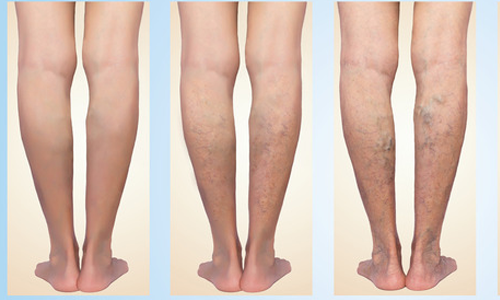
Varicose veins are enlarged, twisted veins that appear just beneath the surface of the skin, most commonly in the legs, though they can develop in other parts of the body as well. They are a widespread condition and often cause little or no discomfort. In some cases, however, varicose veins may lead to complications such as aching, swelling, blood clots, or skin ulcers.
Veins are the blood vessels responsible for returning blood from the body’s tissues back to the heart. Once the heart pumps this blood to the lungs to receive oxygen, it is circulated through the arteries to the rest of the body. Tiny capillaries then allow oxygen to be delivered to tissues, after which the blood returns to the heart through the veins to be reoxygenated. Veins contain one-way valves that ensure blood flows in the correct direction—toward the heart.
Varicose veins develop when these valves become weak or damaged, causing blood to pool and veins to swell. Several factors can increase the likelihood of developing varicose veins, including aging, genetics, female gender, pregnancy, excess body weight, and prolonged periods of standing or sitting. While often harmless, varicose veins can sometimes affect daily comfort and require medical attention to prevent further complications.