
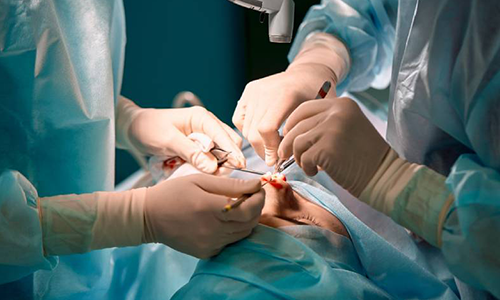
Trauma surgery is a specialized branch of surgery focused on caring for patients who have suffered serious or life-threatening injuries. These injuries often occur suddenly as a result of events such as vehicle accidents, falls, violent encounters, or other emergencies that require immediate medical attention. Trauma surgeons are trained to make rapid assessments, stabilize patients, and determine whether surgical intervention is necessary. Their work blends both operative procedures—such as repairing damaged organs, controlling bleeding, or addressing complex fractures—with non-operative strategies like monitoring, imaging, and critical care management.
To enter this field, physicians typically complete a full residency in general surgery, where they develop broad operative experience across many types of conditions. Afterward, many pursue additional fellowship training in trauma surgery or surgical critical care to gain advanced skills in managing severely injured patients, working in intensive care units, and coordinating multidisciplinary treatment. Trauma surgeons often collaborate closely with emergency medicine teams, anesthesiologists, radiologists, and other specialists to deliver comprehensive care.
Because traumatic injuries are unpredictable and require swift decision-making, trauma surgeons frequently work in high-pressure environments such as emergency departments and trauma centers. Their expertise is essential in improving survival rates and long-term outcomes for patients experiencing major injuries.