
Gallbladder removal, medically referred to as a cholecystectomy, is one of the most frequently performed surgical procedures. The gallbladder is a small, pear-shaped organ located beneath the liver on the right side of the abdomen. Its primary role is to store and concentrate bile, a digestive fluid produced by the liver that helps the body break down and absorb fats from food. Although the gallbladder contributes to digestion, it is not essential for overall health, and most people function normally without it.
A cholecystectomy is commonly recommended when the gallbladder begins to cause problems, most often due to gallstones. These hardened deposits can block the flow of bile, leading to pain, inflammation, or infection. Other conditions—such as gallbladder inflammation without stones or issues affecting the bile ducts—may also prompt the need for removal.
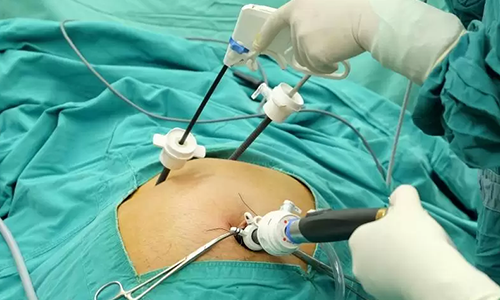
The surgery can be performed using a minimally invasive laparoscopic approach or, in certain cases, an open technique. Laparoscopic surgery involves several small incisions and typically allows for faster recovery, less discomfort, and minimal scarring compared to traditional open surgery. After the gallbladder is removed, bile flows directly from the liver into the small intestine, and most individuals can return to normal eating habits and daily activities with few long-term effects.