
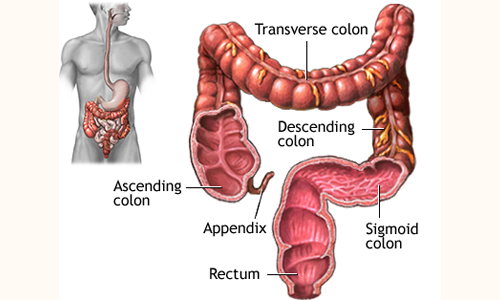
A colectomy is a surgical procedure in which a portion or the entire colon is removed. It is also known as a colon resection. Because the colon is a major part of the large intestine, a colectomy is considered a type of large bowel resection. This operation is usually performed to treat conditions that affect the colon, such as colorectal cancer, inflammatory bowel disease, diverticulitis, or severe intestinal blockages.
The colon, an essential part of the large intestine, plays a key role in the digestive system. Its main function is to absorb water and electrolytes from partially digested food, gradually forming solid waste, or stool. Once the colon processes the waste, it moves into the rectum and anus, where it is eventually expelled from the body.
During a colectomy, the diseased or damaged section of the colon is removed. In many cases, the remaining portions of the colon are reconnected so that bowel function can continue normally. In some situations, a stoma—a surgically created opening on the abdomen—may be needed temporarily or permanently to allow waste to exit the body. Colectomy can be performed as an open surgery or through minimally invasive laparoscopic techniques, with the choice depending on the patient’s condition. Recovery focuses on wound healing, restoring bowel function, and preventing complications.