
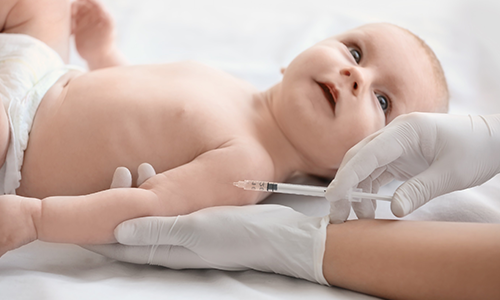
Immunisation is a vital public health practice that protects individuals, especially children, from infectious diseases by stimulating the body’s immune system to recognize and fight specific pathogens. It involves the administration of vaccines, which contain weakened or inactive parts of a disease-causing microorganism, prompting the body to develop immunity without causing the illness itself.
Vaccination plays a critical role in preventing potentially serious or life-threatening diseases such as measles, polio, diphtheria, tetanus, pertussis, hepatitis B, and influenza. By immunising a large portion of the population, communities can achieve herd immunity, which helps protect individuals who cannot be vaccinated due to medical reasons. Immunisation not only reduces the incidence of infectious diseases but also decreases complications, hospitalizations, and mortality rates.
The immunisation schedule varies depending on the age of the individual and the specific vaccines required. Routine childhood immunisation is particularly important, as infants and young children are more susceptible to infections. Vaccines may be administered orally, through injections, or nasally, depending on the type.
Education and awareness are essential components of successful immunisation programs, helping parents understand the benefits and potential side effects of vaccines. Proper immunisation ensures long-term health, prevents outbreaks, and contributes to the overall well-being of communities worldwide.