
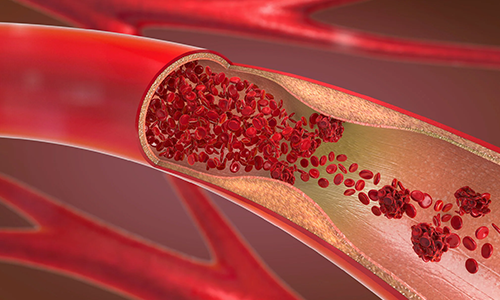
Peripheral vascular disease (PVD) is a circulatory condition that affects the blood vessels outside the heart and brain, including arteries and veins. In PVD, these vessels become narrowed, blocked, or experience spasms, which reduces blood flow to various parts of the body. The condition most commonly affects the legs, causing symptoms such as pain, cramping, and fatigue, particularly during physical activity. This discomfort often eases with rest, a pattern known as intermittent claudication.
PVD can also impact blood flow to other areas, including the arms, stomach and intestines, and kidneys. The reduced circulation is often caused by arteriosclerosis, also referred to as “hardening of the arteries,” where fatty deposits, or plaques, build up along the walls of blood vessels. These plaques restrict the passage of blood and oxygen to tissues. In some cases, the plaques can rupture, leading to the formation of blood clots that may completely block the affected artery.
If left untreated, PVD can result in serious complications such as organ damage or the loss of fingers, toes, or limbs. Additional risk factors include smoking, diabetes, high blood pressure, high cholesterol, and a sedentary lifestyle. Early diagnosis and treatment are critical to improve circulation, manage symptoms, and prevent long-term complications.